Neurological conditions such as stroke, Parkinson’s disease, spinal cord injuries, and multiple sclerosis can affect movement, coordination, and independence. Our Neuro Physiotherapy program is designed to improve mobility, rebuild strength, and enhance quality of life for patients with neurological disorders.
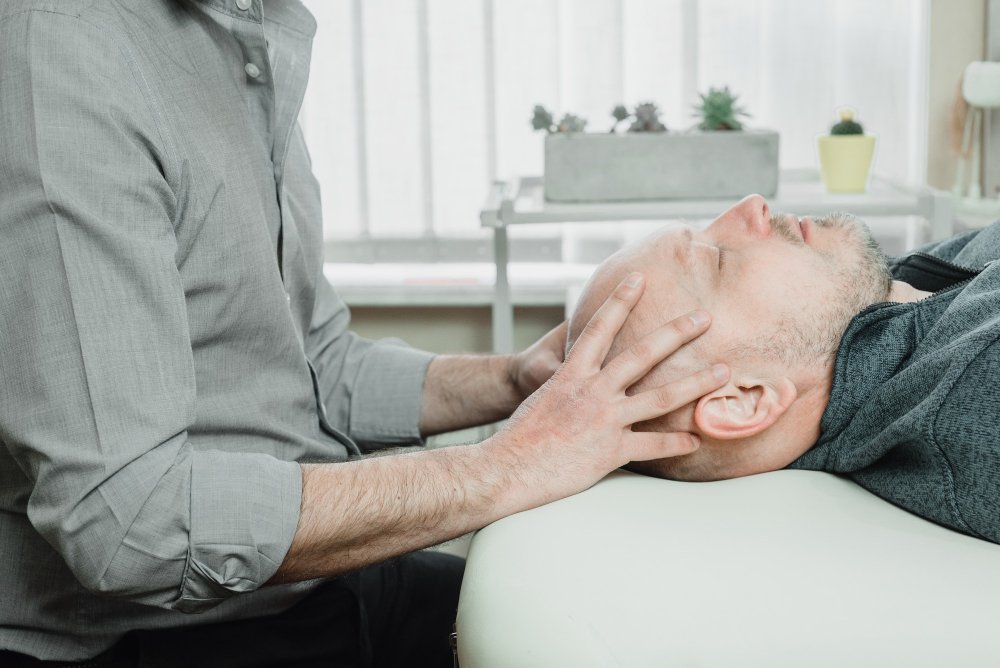

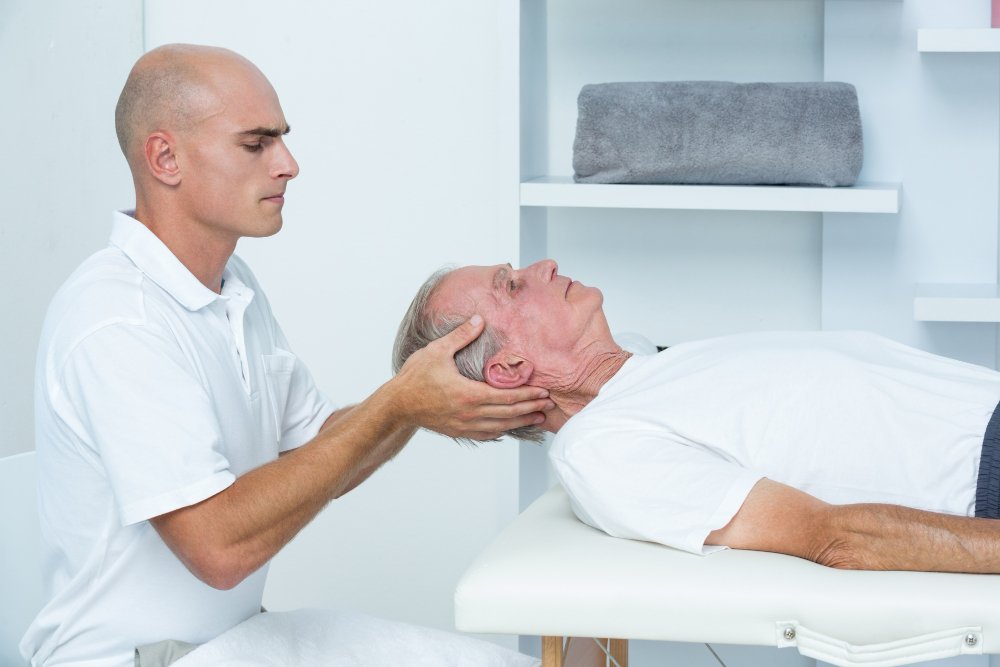
We visit your home to understand your condition, medical history, and goals. This helps us create a plan that’s 100% tailored to you.
Our experts design a therapy plan with targeted exercises, stretches, and techniques for your specific needs.
We provide hands-on, one-on-one physiotherapy sessions to ensure correct posture, safe movements, and effective recovery.
We monitor your improvement and adjust the plan regularly to speed up recovery and achieve the best results.
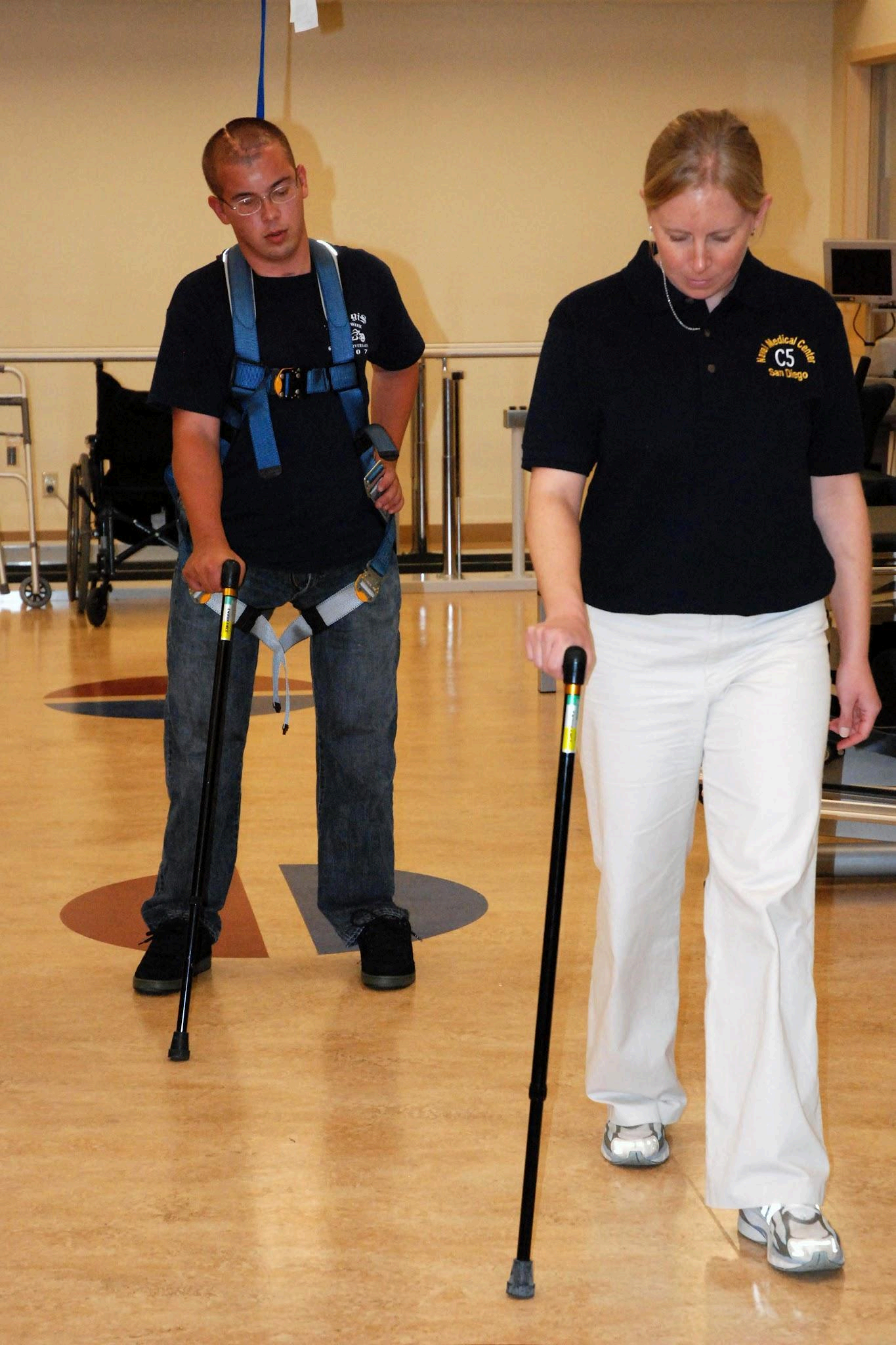
Neurophysiotherapy is a specialized area of physiotherapy that focuses on helping individuals with neurological conditions. These conditions affect the brain, spinal cord, or nerves, leading to movement and functional limitations. Neuro physiotherapists assess and treat these impairments, aiming to improve mobility, independence, and overall quality of life.
Neurological physiotherapy helps individuals regain lost motor skills, improve range of motion and relearn functional movements like walking, reaching and grasping
Many neurological conditions affect balance and coordination, leading to increased fall risk. Physiotherapy can address these issues through exercises and other interventions to improve stability and movement control.
Neurological conditions can cause muscle stiffness (spasticity), which can be painful and limit movement. Physiotherapy techniques like stretching, positioning, and soft tissue mobilization can help reduce spasticity and improve flexibility.
By addressing movement limitations and functional deficits, neurological physiotherapy helps individuals become more independent in daily activities, such as walking, dressing, and eating.
Physiotherapy can help manage pain associated with neurological conditions through various techniques like manual therapy, exercise, and nerve mobilization.
Targeted exercises and strengthening programs can help improve muscle strength, which is crucial for mobility and function
Physiotherapy can help increase the range of motion in joints, allowing for smoother and more efficient movement.
Exercises and activities designed to improve balance and coordination can help individuals move more confidently and safely
By improving balance, strength, and coordination, neurological physiotherapy can significantly reduce the risk of falls, which are a major concern for individuals with neurological conditions
The ultimate goal of neurological physiotherapy is to help individuals perform daily activities with greater ease and independence, improving their quality of life.
By regaining physical function and independence, individuals often experience a positive impact on their emotional and psychological well-being
Customized exercise programs are designed to improve strength, balance, coordination, and endurance
Focuses on improving walking patterns and efficiency, potentially using body weight support and overground practice
Exercises and strategies to improve balance and reduce the risk of falls
Techniques that focus on learning new movement patterns and adapting to changes in the environment.
Using electrical currents to stimulate muscles and improve movement, particularly in paralyzed or weakened muscles.
Water-based exercises that utilize buoyancy and resistance to improve movement and function.
A technique that restricts the use of the less affected limb to encourage the use of the affected limb
Training both arms simultaneously to improve coordination and functional skills.
A holistic approach to movement and posture, often used in pediatric rehabilitation
Practicing specific functional tasks to improve performance and independence.
Using hands-on techniques to address joint restrictions, muscle imbalances, and pain
Specialized equipment to support joints, prevent contractures, and improve posture
Techniques to manage muscle stiffness and spasms, including Botox injections, stretching, and splinting.
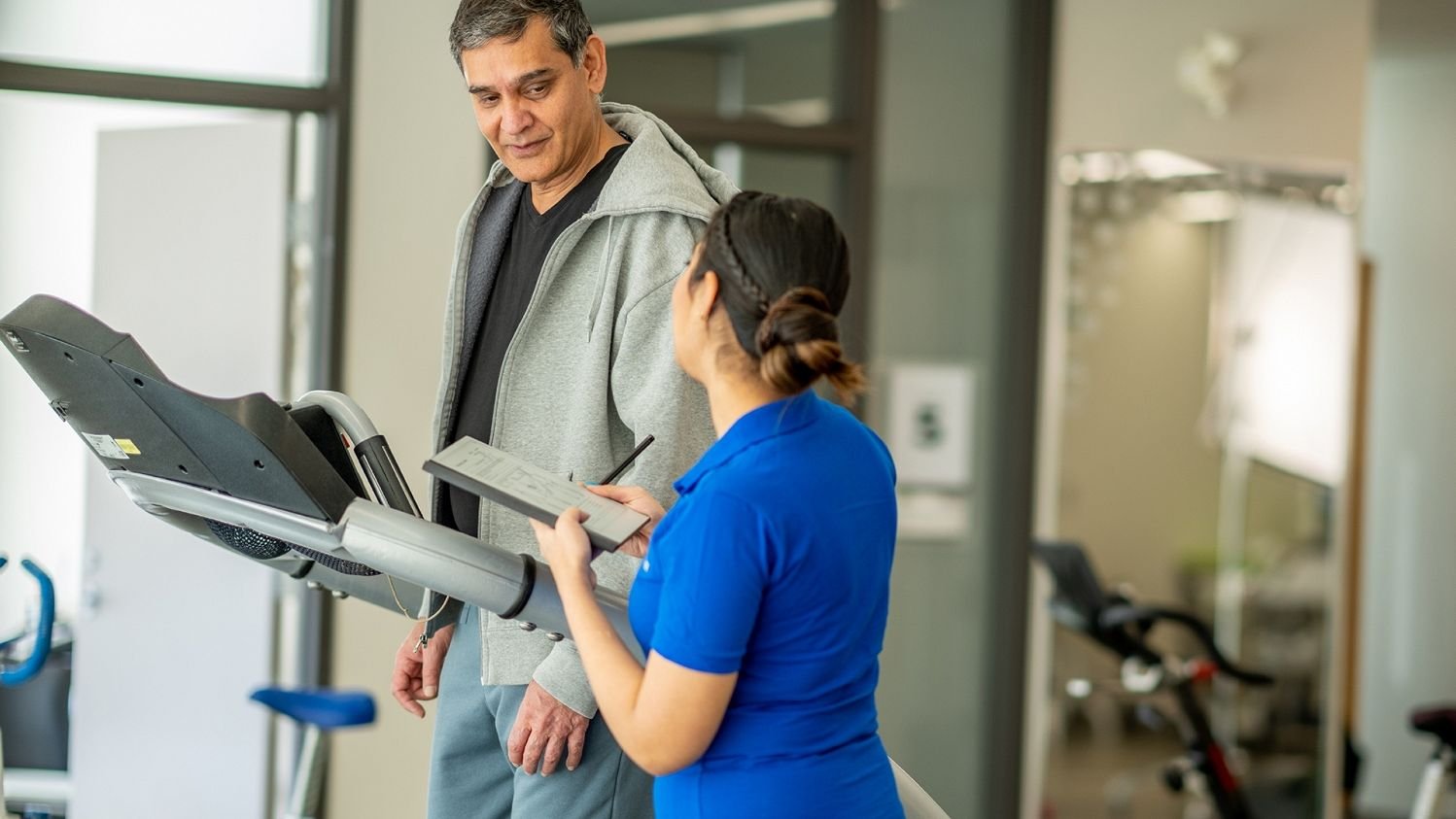
Neuro physiotherapy programs are tailored to the specific needs and goals of each individual.
Collaboration with other healthcare professionals, such as occupational therapists, speech therapists, and physicians, is often essential.
Patients are often given exercises to practice at home to maintain and improve their progress
These techniques aim to improve muscle activity and movement patterns. They include:
Lightly tapping over a muscle or tendon to stimulate a contraction
Fast/quick stretches to facilitate muscle activity, and prolonged stretches to manage spasticity
Using specific positions to influence muscle tone and movement
Utilizing reflexes to initiate or modify movement.
Using various sensory inputs (tactile, visual, auditory) to influence motor control.
Assessment and prescription of mobility aids, wheelchairs, and other assistive devices.
Expert care, personalized treatments, and recovery at your doorstep!
© 2025 SRM Home Physiotherapy. Website Design By Exibify